L-Theanine
Promotes relaxation without drowsiness. Often found in tea.
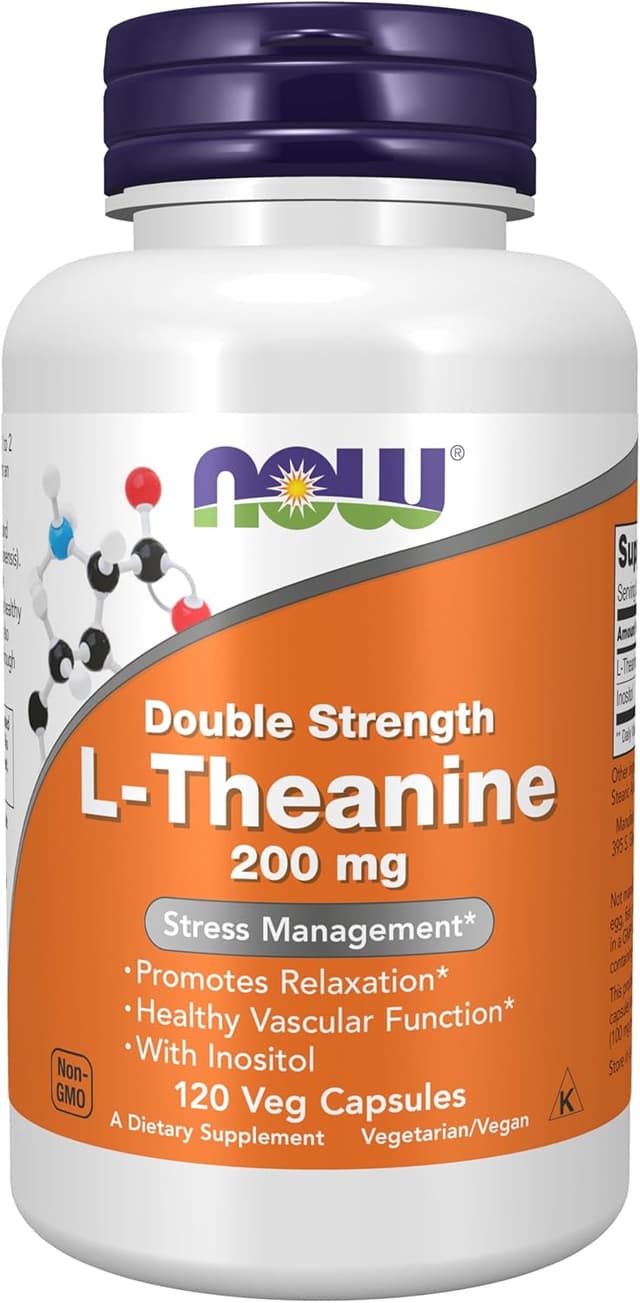
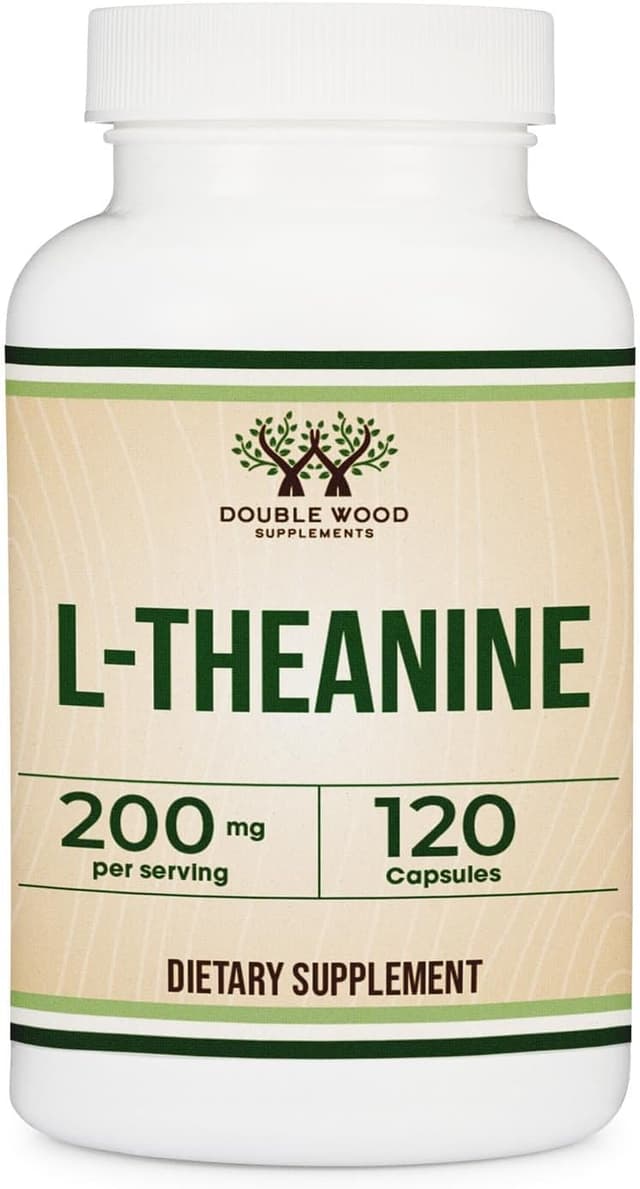
Recommended L-Theanine Products
As an Amazon Associate we earn from qualifying purchases
AI Analysis
L-Theanine is an amino acid commonly found in tea leaves, particularly green tea, and is widely used as a supplement for its calming and focus-enhancing effects. It is often taken to reduce stress, improve sleep quality, and support cognitive function, especially when paired with caffeine, as it can mitigate the jittery effects of stimulants while promoting a state of relaxed alertness.
Benefits
- Stress Reduction: L-Theanine is known to promote relaxation by increasing alpha brain wave activity, which is associated with a calm but alert state.
- Improved Sleep Quality: It may help individuals fall asleep faster and improve sleep quality by reducing anxiety and promoting relaxation.
- Enhanced Focus and Attention: When combined with caffeine, L-Theanine can improve attention and focus by balancing the stimulating effects of caffeine.
- Anxiety Relief: Studies suggest L-Theanine can lower anxiety levels without causing drowsiness, making it useful for managing situational stress.
- Neuroprotection: Some research indicates L-Theanine may have protective effects on brain health by reducing excitotoxicity and supporting neural resilience.
Recent Studies and Conversations from Experts
- A 2023 study published in Nutrients found that L-Theanine supplementation significantly reduced stress-related symptoms and improved sleep quality in participants under chronic stress (Source: Nutrients Study, 2023).
- Dr. Andrew Huberman, a neuroscientist, discussed L-Theanine on his podcast in 2023, highlighting its synergy with caffeine for improved focus and reduced anxiety, recommending doses of 100-400 mg (Source: Huberman Lab Podcast, 2023).
- A 2022 review in Frontiers in Nutrition explored L-Theanine’s role in modulating neurotransmitter activity, particularly GABA, which contributes to its calming effects (Source: Frontiers in Nutrition Review, 2022).
- On Reddit’s /r/supplements, a thread from early 2025 featured a detailed discussion by a user citing expert opinions on L-Theanine’s effectiveness for anxiety management (Source: Reddit /r/supplements Thread, 2025).
- The National Institutes of Health (NIH) provides an overview of L-Theanine’s potential benefits for mental health based on clinical trials, noting its safety profile at typical doses (Source: NIH Fact Sheet, Updated 2023).
Social Media Conversations
Note: These are observations from social media and reflect personal anecdotes, not expert opinions or verified data.
- On X in early 2025, multiple users reported feeling noticeably calmer within 30 minutes of taking L-Theanine, especially during high-stress workdays.
- A Reddit thread on /r/supplements from 2025 had several users mentioning improved sleep when taking 200 mg of L-Theanine before bed, though some noted no effect.
- On X, a user in 2025 shared that combining L-Theanine with coffee eliminated their usual caffeine jitters, echoing a common anecdotal benefit.
- Another Reddit post from /r/Nootropics in 2025 highlighted a user’s experience of reduced social anxiety with L-Theanine, though they cautioned it wasn’t a cure-all.
- Several X posts from 2025 mentioned mild disappointment with L-Theanine, with users feeling the calming effects were too subtle to justify the cost.
Natural Sources
- Green Tea: L-Theanine is most abundant in green tea, with approximately 5-20 mg per cup depending on the type and steeping time. However, to reach the typical supplemental dose of 100-400 mg, you would need to drink an impractical 5-80 cups daily, which could also introduce excessive caffeine.
- Black Tea: Contains smaller amounts of L-Theanine, around 5-10 mg per cup, making it even less practical as a primary source for therapeutic levels.
- Matcha: This powdered green tea can have higher L-Theanine content (up to 30 mg per serving), but still falls short of supplemental doses unless consumed in large, often unrealistic quantities.
- Certain Mushrooms: Some edible mushrooms like Boletus badius contain trace amounts of L-Theanine, but the levels are negligible and not a viable source.
- Practicality: Natural sources like tea are better viewed as complementary rather than a replacement for supplementation, as achieving effective doses through diet alone is highly impractical due to volume and potential side effects like caffeine overload.
Side Effects
- Drowsiness: Some individuals may experience mild sleepiness, especially at higher doses or when taken without caffeine.
- Headache: Rarely reported, but some users note headaches as a side effect, possibly due to individual sensitivity.
- Dizziness: High doses (above 400 mg) may cause dizziness or lightheadedness in some people.
- Gastrointestinal Issues: Mild stomach upset or nausea can occur, though this is uncommon at standard doses.
- Interaction with Medications: L-Theanine may interact with sedatives or anti-anxiety medications, potentially enhancing their effects, so consultation with a healthcare provider is advised.
Sources
- 2023, Nutrients Study on L-Theanine and Stress Reduction: Link
- 2023, Huberman Lab Podcast on L-Theanine and Caffeine Synergy: Link
- 2022, Frontiers in Nutrition Review on L-Theanine and Neurotransmitters: Link
- 2025, Reddit /r/supplements Thread on L-Theanine for Anxiety: Link
- 2023, NIH Fact Sheet on L-Theanine Health Benefits: Link
Research Summary
L-Theanine is an amino acid primarily found in green tea that promotes relaxation, reduces stress and anxiety, improves sleep quality, and enhances focus, often without causing drowsiness. It's commonly used as a supplement at doses of 200-400 mg daily to support mental clarity, especially when paired with caffeine, and may aid immune function and blood pressure regulation.
Benefits
- Reduces anxiety and stress: Increases alpha brain waves, GABA, dopamine, and serotonin for calmness.
- Improves sleep: Enhances relaxation and sleep quality, though not total sleep time.
- Boosts focus and cognition: Improves attention, verbal fluency, and executive function, particularly with caffeine.
- Supports immune health: May reduce colds, flu risk, and inflammation.
- Lowers blood pressure: Reduces stress-induced spikes via relaxation.
Recent Studies and Expert Research
A 2021 randomized crossover study (AlphaWave L-Theanine) showed a single dose increased alpha brain waves and reduced cortisol during stress, with no adverse events. A 2019 trial found 4 weeks of L-theanine improved stress symptoms, verbal fluency, and executive function in healthy adults. A 2025 systematic review confirmed benefits for sleep quality at ≥200 mg/day in 9/13 trials. Doses of 200-400 mg daily for 4-8 weeks improved anxiety and cognition as adjunct therapy. Experts recommend 200-400 mg, starting low, not exceeding 500 mg daily.
Social Media Insights
No recent 2025 Reddit (/r/supplements) or forum discussions found in search results; user experiences often note relaxation without sedation, but these are anecdotal and not expert-verified.
Natural Sources
L-Theanine occurs naturally in green tea (20-50 mg per cup) and black tea, with trace amounts in some mushrooms. Obtaining supplement-level doses (200+ mg) naturally requires drinking 4-10 cups of tea daily, which is practical for mild effects but inefficient for therapeutic amounts due to caffeine content and variable extraction; supplements provide a more precise, concentrated alternative.
Side Effects
L-Theanine is possibly safe short-term up to 900 mg daily for 8 weeks, with mild effects like headache or sleepiness reported rarely. No serious adverse events in studies up to 400-900 mg/day; well-tolerated, but long-term safety unclear. Start low to assess tolerance.