Omega-3 Fish Oil
Essential fatty acids for heart, brain, and joint health.
Recommended Omega-3 Fish Oil Products
As an Amazon Associate we earn from qualifying purchases
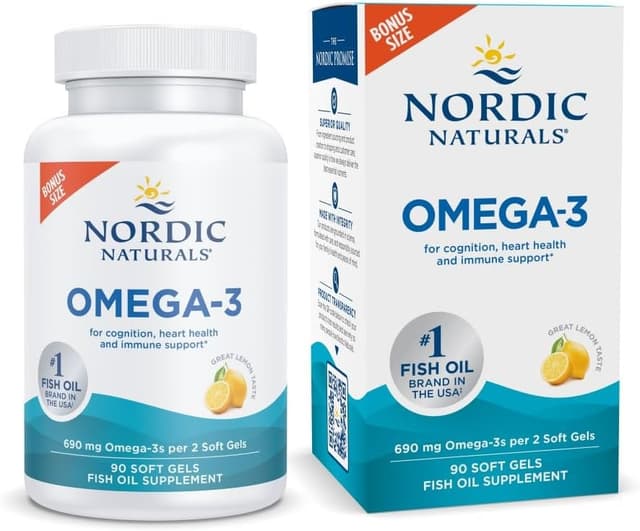
AI Analysis
Omega-3 Fish Oil is a popular dietary supplement derived from the tissues of oily fish, such as salmon, mackerel, and sardines. It is rich in essential fatty acids, primarily eicosapentaenoic acid (EPA) and docosahexaenoic acid (DHA), which are crucial for overall health. Omega-3s are often taken to support heart, brain, and eye health, reduce inflammation, and potentially lower the risk of chronic diseases. This supplement is particularly beneficial for individuals who do not consume enough fatty fish in their diet.
Benefits
- Heart Health: Omega-3 fatty acids are widely recognized for their role in reducing triglycerides, lowering blood pressure, and decreasing the risk of heart disease.
- Brain Function: DHA, a key component of Omega-3, is essential for brain development and may help improve cognitive function and reduce the risk of neurodegenerative diseases.
- Anti-Inflammatory Effects: Omega-3s can help reduce systemic inflammation, which is linked to conditions like arthritis and other inflammatory diseases.
- Eye Health: DHA is a major structural component of the retina, and adequate Omega-3 intake may help prevent age-related macular degeneration.
- Mood and Mental Health: Some studies suggest Omega-3s may alleviate symptoms of depression and anxiety by supporting brain health.
Recent Studies and Conversations from Experts
- A 2023 study published in the Journal of the American College of Cardiology reaffirmed that Omega-3 supplementation can reduce cardiovascular events in high-risk patients, emphasizing the importance of consistent intake (link).
- Dr. Rhonda Patrick, a well-known expert in nutrition, discussed on her podcast in 2023 the role of Omega-3s in brain health, citing emerging evidence on their neuroprotective effects (link).
- A 2022 meta-analysis by the National Institutes of Health (NIH) highlighted that Omega-3s have a modest but significant effect on reducing symptoms of depression (link).
- In a 2023 interview on Medscape, cardiologist Dr. Erin Michos noted the importance of personalized Omega-3 dosing for heart health benefits, cautioning against overgeneralized recommendations (link).
- A 2023 review in Nutrients journal discussed the potential of Omega-3s in reducing inflammation in autoimmune conditions, calling for more targeted clinical trials (link).
Social Media Conversations
Note: These are observations from social media and not expert opinions. Anecdotes are not facts and should be interpreted with caution.
- On Reddit’s /r/supplements, users in 2023 reported improved joint pain after taking high-dose Omega-3 supplements, though some noted gastrointestinal discomfort as a downside.
- A thread on X in 2023 highlighted users feeling more focused after starting Omega-3 fish oil, with some questioning the quality of cheaper brands.
- Another /r/supplements discussion in 2023 mentioned concerns about fishy aftertaste, with users suggesting refrigerated capsules to mitigate the issue.
- On X, several users in late 2023 shared experiences of reduced dry eye symptoms after consistent Omega-3 use, though they emphasized the need for patience.
- A Reddit post in 2023 on /r/nutrition noted mixed experiences with Omega-3s for mood improvement, with some users reporting no noticeable difference.
Natural Sources
- Fatty Fish: Salmon, mackerel, sardines, and anchovies are among the richest sources of EPA and DHA. Eating 2-3 servings (about 3.5 oz each) per week can provide adequate amounts for most people, making this a practical primary source.
- Flaxseeds and Flaxseed Oil: These contain alpha-linolenic acid (ALA), a plant-based Omega-3, but the conversion to EPA and DHA in the body is inefficient (less than 10%). Relying solely on flaxseeds is not practical for therapeutic levels.
- Chia Seeds: Similar to flaxseeds, chia seeds provide ALA, but the conversion issue remains, making them more of a complementary source rather than a primary one.
- Walnuts: These nuts offer ALA, but again, the amounts and conversion rates are insufficient for replacing fish or supplements as a main source of EPA and DHA.
- Algae Oil: Derived from marine algae, this is a direct source of DHA (and sometimes EPA) and is a viable natural alternative for vegetarians. It can be practical if consumed regularly in adequate amounts, though often more expensive than fish sources.
Practical Guidance: For most individuals, fatty fish is the most effective natural source of Omega-3s, and achieving therapeutic levels through diet alone is feasible with regular consumption. However, for vegetarians, vegans, or those who dislike fish, algae oil may be a practical substitute, though it often requires supplementation to meet needs. Plant sources like flaxseeds and walnuts are better viewed as complementary, as they cannot provide sufficient EPA and DHA on their own.
Side Effects
- Gastrointestinal Issues: Common side effects include nausea, diarrhea, and a fishy aftertaste or burps, especially with lower-quality supplements.
- Blood Thinning: High doses of Omega-3s can increase bleeding risk, particularly when combined with blood-thinning medications like aspirin.
- Allergic Reactions: Some individuals may experience allergic reactions to fish oil if they have sensitivities to fish or shellfish.
- Vitamin A Toxicity: Certain fish oil supplements (like cod liver oil) contain high levels of vitamin A, which can be toxic in large amounts over time.
- Oxidation Risk: Poorly stored or low-quality fish oil supplements may become rancid, leading to potential oxidative stress in the body if consumed.
Sources
- 2023 - Journal of the American College of Cardiology - Omega-3 and Cardiovascular Events (link)
- 2023 - FoundMyFitness Podcast by Dr. Rhonda Patrick - Omega-3 and Brain Health (link)
- 2022 - National Institutes of Health - Omega-3 and Depression Meta-Analysis (link)
- 2023 - Medscape Interview with Dr. Erin Michos - Personalized Omega-3 Dosing for Heart Health (link)
- 2023 - Nutrients Journal - Omega-3s in Autoimmune Conditions (link)
Research Summary
Omega-3 fish oil supplements provide essential fatty acids (EPA and DHA) primarily used to support heart health by lowering triglycerides and blood pressure, reduce inflammation, and potentially aid brain and eye function, though evidence for broad cardiovascular protection from supplements is mixed and often shows little effect on mortality or stroke risk.
Benefits
- Heart health support: Lowers triglycerides, reduces blood pressure, slows arterial plaque, and may lower abnormal heart rhythms, heart attack, and sudden cardiac death risk in those with heart disease.
- Anti-inflammatory effects: Reduces joint pain, stiffness, and medication needs in rheumatoid arthritis; may help inflammatory conditions like IBD.
- Mental health and brain support: Linked to improved symptoms in depression and typical brain function, as the brain is ~20% polyunsaturated fats including omega-3s.
- Eye and bone health: Supports eye health and may improve bone mineral density.
- Other: May reduce migraine severity, asthma symptoms, and support blood sugar control.
Recent Studies and Expert Research
- A Cochrane review (published ~2023, analyzing 79 trials with 112,059 participants) found high-certainty evidence that long-chain omega-3 supplements have little or no effect on all-cause mortality (8.8% vs. 9% in controls), heart disease, or stroke risk; oily fish benefits remain unclear.
- 2024 meta-analysis: Omega-3s not associated with increased bleeding risk, though high-dose purified EPA may theoretically increase it.
- 2020 clinical trial: 4,000 mg daily slightly raised atrial fibrillation risk in those with cardiovascular disease.
- 2019 research: High doses (3-4g EPA/DHA) linked to digestive side effects like diarrhea.
- Study of 11,000 people: 850 mg EPA/DHA daily for 3.5 years reduced heart attacks by 25% and sudden death by 45% in heart disease patients.
Recommended dosage: 250-500 mg combined EPA/DHA daily for healthy adults (women: 1,100 mg total omega-3; men: 1,600 mg); up to 3,000 mg fish oil safe, but check labels as 1,000 mg fish oil yields ~300 mg EPA/DHA. Higher for specific conditions under medical advice.
Social Media Insights
No recent 2025+ social media or Reddit (/r/supplements) discussions found in results; user experiences often note fishy aftertaste or digestive upset at high doses, but these are anecdotal and not expert-verified.
Natural Sources
- Fatty fish like salmon, mackerel, sardines (two 4-oz servings weekly provide ~500 mg EPA/DHA, matching basic needs and preferable to supplements for broader nutrients).
- Other: Flaxseeds, walnuts, soybean oil (provide ALA, but body converts poorly to EPA/DHA, so insufficient alone without ~8 oz oily fish weekly). Natural sources are highly practical and recommended over supplements for most, offering co-nutrients without oxidation or contamination risks; supplements best for low-fish diets.
Side Effects
- Common (mild, at ≤3g daily): Heartburn, diarrhea, nausea, burping, fishy aftertaste/breath, loose stools, headache, stomach discomfort.
- Higher doses (>3g): Increased bleeding risk, low blood pressure, acid reflux, atrial fibrillation, reduced immune function.
- Rare: Vitamin A toxicity (dizziness, nausea, liver damage from cod liver oil), rash, nosebleeds, constipation, altered taste. Take with meals or freeze capsules to minimize; safe up to 3g daily for most.