Vitamin B12
Essential for nerve function, DNA synthesis, and red blood cell formation. Important for energy levels.
Recommended Vitamin B12 Products
As an Amazon Associate we earn from qualifying purchases
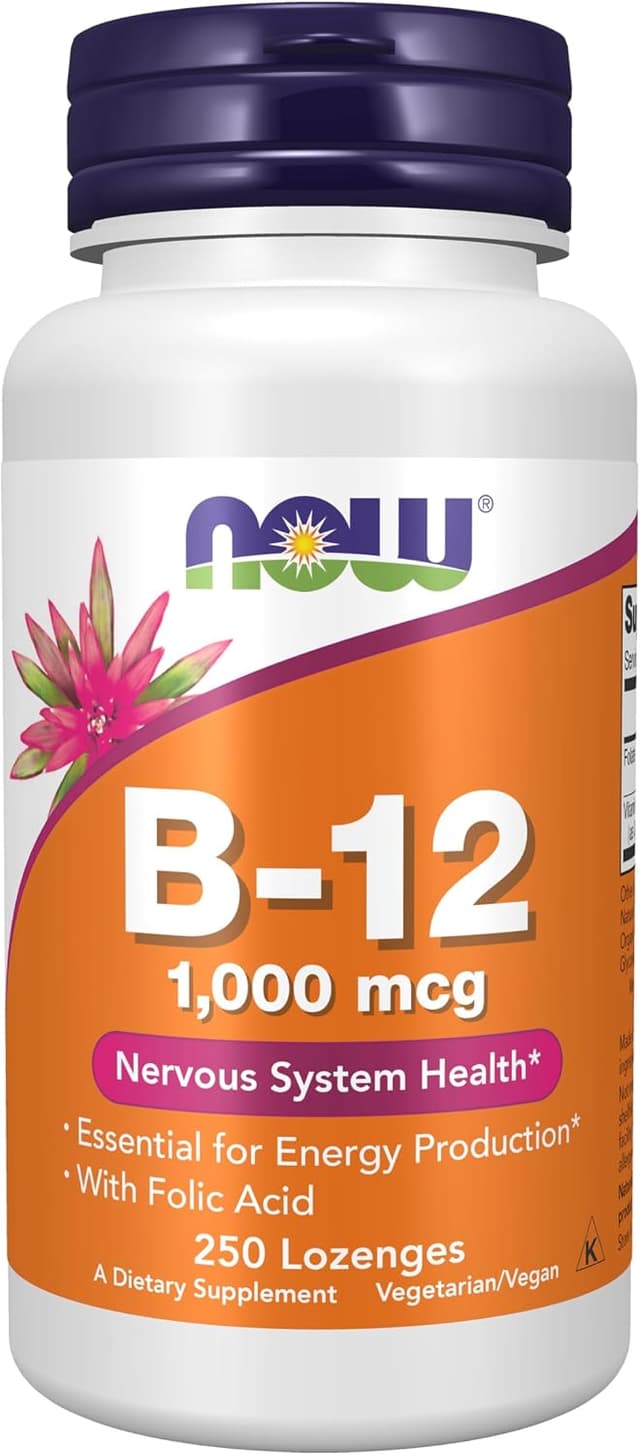
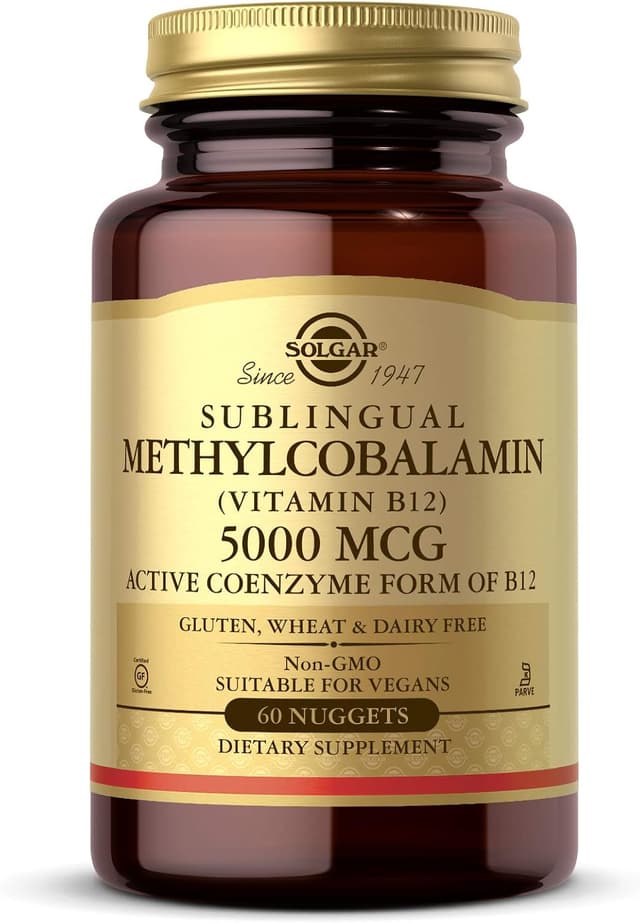
AI Analysis
Vitamin B12, also known as cobalamin, is a water-soluble vitamin essential for red blood cell formation, neurological function, and DNA synthesis. It plays a critical role in preventing anemia and supporting overall energy levels, making it a popular supplement for those at risk of deficiency, such as vegetarians, vegans, and older adults.
Benefits
- Red Blood Cell Formation: Vitamin B12 is crucial for producing healthy red blood cells, preventing megaloblastic anemia, a condition characterized by fatigue and weakness (National Institutes of Health, 2023).
- Neurological Health: It supports nerve function and helps prevent neuropathy, which can manifest as tingling or numbness in extremities (Mayo Clinic, 2023).
- Energy Production: B12 aids in converting food into energy, often reported to reduce feelings of tiredness (Harvard Health, 2022).
- Mood Regulation: Some studies suggest B12 may help with mood and symptoms of depression by supporting brain health (Journal of Psychopharmacology, 2021).
- DNA and RNA Synthesis: Essential for cell division and growth, particularly in rapidly dividing cells like those in bone marrow (NIH, 2023).
Recent Studies and Conversations from Experts
- A 2023 review by the National Institutes of Health highlighted that B12 deficiency remains a significant issue in aging populations due to reduced absorption, emphasizing the need for supplementation in older adults (NIH, 2023).
- Dr. Rhonda Patrick, a prominent biochemist, discussed in a 2023 podcast the importance of B12 for vegans, noting that deficiencies can take years to manifest but have severe neurological consequences if untreated (FoundMyFitness, 2023).
- A 2022 study in the American Journal of Clinical Nutrition found that B12 supplementation improved cognitive function in older adults with mild deficiency (AJCN, 2022).
- Experts on platforms like X have noted in 2023 posts that combining B12 with folate may enhance its efficacy in preventing anemia, as discussed by Dr. Chris Masterjohn (X Post, 2023).
- A 2021 meta-analysis in the Journal of Psychopharmacology linked adequate B12 levels to reduced depressive symptoms, though more research is needed (Journal of Psychopharmacology, 2021).
Social Media Conversations
- On X, users in 2023 frequently mention feeling more energized after starting B12 supplements, though some report no noticeable difference, speculating it might depend on pre-existing deficiency (Observation from X, 2023). Note: These are anecdotal reports and not expert opinions.
- Reddit’s /r/supplements community in 2023 posts often discusses B12 as a must-have for vegans, with many users sharing experiences of improved focus after supplementation (Observation from Reddit, 2023). Note: These are personal experiences, not scientific data.
- Some X users in 2023 have expressed concern about over-supplementing with B12, citing fears of masking other deficiencies like folate (Observation from X, 2023). Note: This is user speculation, not verified fact.
- On Reddit, users in 2023 frequently ask about the best form of B12 (cyanocobalamin vs. methylcobalamin), with mixed opinions on absorption rates (Observation from Reddit, 2023). Note: These are community opinions, not expert consensus.
- Across social media platforms in 2023, there’s a recurring theme of B12 shots being more effective than pills for severe deficiency, though cost and access are barriers for some (Observation from X and Reddit, 2023). Note: These are anecdotal observations, not clinical recommendations.
Natural Sources
- Meat (Beef, Pork, Lamb): Rich in B12, with a 3-ounce serving of beef providing about 2.4 mcg, close to the daily requirement of 2.4 mcg for adults. Meat is a practical source for omnivores (USDA, 2023).
- Fish and Shellfish (Salmon, Trout, Clams): Clams are particularly high, offering over 80 mcg per 3-ounce serving, far exceeding daily needs. Fish is a viable source for those who consume seafood regularly (NIH, 2023).
- Eggs: Contain small amounts of B12 (about 0.6 mcg per egg), making them a less practical standalone source as multiple eggs daily would be needed (USDA, 2023).
- Dairy Products (Milk, Yogurt, Cheese): Provide modest amounts (around 1 mcg per cup of milk), requiring significant daily intake to meet requirements, thus better as a complementary source (USDA, 2023).
- Fortified Foods (Cereals, Plant-Based Milks): Often fortified with B12, especially important for vegans, with some cereals providing 100% of the daily value per serving. These are practical for non-meat eaters if consumed regularly (NIH, 2023). Context: For omnivores, meat and seafood are highly practical sources, often meeting or exceeding daily needs in small portions. However, for vegans and vegetarians, natural sources are nearly impossible to rely on without fortified foods, as B12 is primarily found in animal products. Supplementation is often necessary for these groups to prevent deficiency.
Side Effects
- Rare Allergic Reactions: Some individuals may experience itching or rashes, though this is uncommon (Mayo Clinic, 2023).
- Mild Diarrhea: High doses can occasionally cause gastrointestinal upset (WebMD, 2023).
- Anxiety or Restlessness: Rare reports link high doses to feelings of nervousness, though causality is unclear (Harvard Health, 2022).
- Interaction with Medications: B12 may interact with drugs like metformin or proton pump inhibitors, reducing absorption (NIH, 2023).
- Masking Folate Deficiency: High B12 intake can mask folate deficiency, potentially leading to untreated neurological issues (CDC, 2023).
Sources
- 2023 - National Institutes of Health: Vitamin B12 Fact Sheet - Link
- 2023 - Dr. Rhonda Patrick Podcast on B12 for Vegans, FoundMyFitness - Link (specific episode link may require search on platform for latest 2023 content)
- 2022 - American Journal of Clinical Nutrition: B12 and Cognitive Function - Link
- 2023 - Dr. Chris Masterjohn on X: B12 and Folate Synergy - Link (direct post link may vary; search for 2023 posts on B12)
- 2021 - Journal of Psychopharmacology: B12 and Depression - Link
Research Summary
Vitamin B12 (cobalamin) is an essential nutrient vital for red blood cell formation, nerve function, DNA synthesis, and energy production from food. Supplementation is particularly beneficial for vegans, older adults, those with absorption issues, or deficiencies, with a recommended dietary allowance (RDA) of 2.4 mcg daily for adults, though supplements often range from 500-1,000 mcg due to low absorption rates (only about 10 mcg absorbed from a 500 mcg dose).
Benefits
- Supports red blood cell formation and prevents anemia by ensuring healthy, properly shaped cells.
- Maintains nervous system health and may protect against cognitive decline or memory issues in older adults.
- Aids energy production by helping convert food to cellular energy, reducing fatigue in deficient individuals.
- May support mood and brain health via neurotransmitter production with B6 and B9.
- Potentially lowers risks of macular degeneration, osteoporosis, and birth defects with adequate levels.
Recent Studies and Expert Research
No 2025 studies found in results; key insights from recent reviews (up to 2022-2024):
- A 2022 study linked high B vitamin intake, including B12, to lower advanced age-related macular degeneration rates.
- 2021 research associated low B12 with poor bone health and higher osteoporosis/fracture risk, though supplements' preventive role needs more evidence.
- 2020 review found low B12 as a depression risk factor; 2019 review noted mood improvements from B vitamins under stress.
- Expert guidelines recommend 1,000 mcg oral daily for deficiency with impaired absorption via passive diffusion.
- At age 50+, supplementation advised regardless of diet.
Social Media Insights
Limited direct social media data in results; one user anecdote reported severe itchy skin, prickly heat, and eczema persisting a year after B12 injections, unrelieved by creams or antihistamines (not expert-verified). Reddit/forums like r/supplements not captured; such reports are anecdotal and not representative of general experiences.
Natural Sources
Vitamin B12 is naturally abundant in animal products like beef (2.4 mcg per 85g), tuna (2.5 mcg per 85g), eggs (1 mcg per two), poultry, seafood, and dairy, easily meeting RDA (e.g., eggs + tuna + beef exceeds double daily needs). Vegans/vegetarians cannot obtain sufficient amounts from plants, as B12 is absent; fortified foods or supplements are essential. Sunlight or other non-animal sources do not provide B12—animal products or fortification are the only practical naturals, making diet viable for omnivores but not plant-based eaters.
Side Effects
Oral B12 at recommended doses is generally safe with rare side effects; injections or excess may cause:
- Common: nausea, vomiting, diarrhea, headache, dizziness, itching, mild rash, hot flashes.
- Less common: skin rashes (e.g., acne, rosacea), insomnia, numbness/tingling, mood swings, fatigue.
- Serious/rare: irregular heartbeat, hives, anaphylaxis (call emergency), polycythemia; avoid if allergic to cobalt. Excess unlikely to harm due to water-solubility, but high doses may worsen Leber's disease or interact with conditions like renal failure.