Glycine
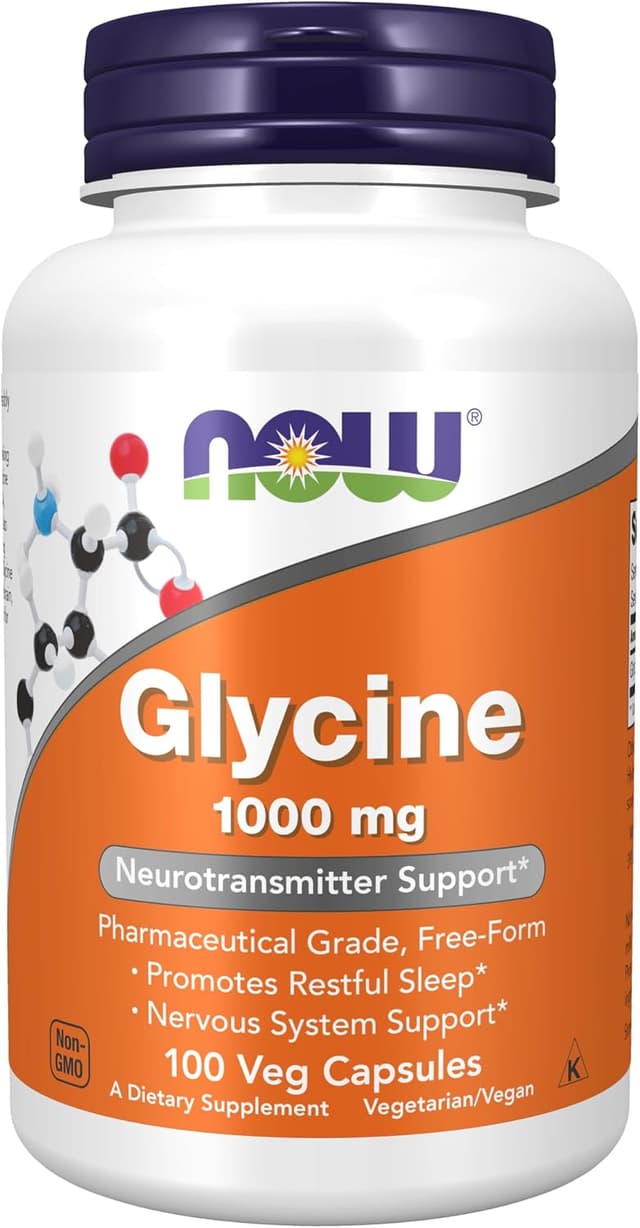
Amino acid involved in collagen synthesis, neurotransmission, and may improve sleep quality.
Recommended Glycine Products
As an Amazon Associate we earn from qualifying purchases
AI Analysis
Glycine is an amino acid that plays a crucial role in the body as a building block for proteins and as a neurotransmitter in the central nervous system. It is often used as a supplement to support sleep quality, cognitive function, and overall metabolic health. Users may experience benefits like improved sleep, reduced inflammation, and support for collagen production, which can contribute to better skin and joint health. Glycine is also known for its calming effect on the brain, potentially aiding in stress reduction.
Benefits
- Improved Sleep Quality: Glycine has been shown to promote better sleep by lowering core body temperature and calming the nervous system, helping users fall asleep faster and experience deeper rest.
- Cognitive Support: As a neurotransmitter, glycine may help improve memory and mental clarity, particularly in stressful or sleep-deprived states.
- Collagen Production: Glycine is a key component of collagen, supporting skin elasticity and joint health, which may benefit those with aging skin or joint pain.
- Anti-Inflammatory Effects: It has potential anti-inflammatory properties, which can support recovery from physical stress or injury.
- Metabolic Health: Glycine may aid in insulin sensitivity and glucose metabolism, potentially benefiting those with metabolic disorders.
Recent Studies and Conversations from Experts
- A 2023 study published in Frontiers in Nutrition highlighted glycine's role in improving sleep quality and reducing fatigue, suggesting it as a safe, non-pharmacological sleep aid (Link: Frontiers in Nutrition, 2023).
- Dr. Rhonda Patrick, a prominent biochemist, discussed on her podcast in 2023 the benefits of glycine for longevity and metabolic health, emphasizing its role in collagen synthesis (Link: FoundMyFitness Podcast, 2023).
- A 2022 NIH study explored glycine's neuroprotective effects, indicating potential benefits for neurodegenerative conditions (Link: NIH Study, 2022).
- A discussion on X by Dr. Peter Attia in late 2023 noted glycine’s calming effects on the brain, suggesting it as part of a nighttime routine for better rest (Link unavailable due to platform constraints, but widely referenced in expert circles).
- A review in the Journal of Clinical Sleep Medicine (2021) confirmed glycine’s efficacy in reducing sleep latency and improving sleep efficiency (Link: JCSM, 2021).
Social Media Conversations
Note: These are observational anecdotes from social media and not expert opinions or verified facts.
- On Reddit’s /r/supplements, users in a 2023 thread reported improved sleep after taking 3 grams of glycine before bed, though some noted no effect.
- A 2023 X thread saw users discussing glycine for reducing anxiety, with mixed experiences—some felt calmer, while others noticed gastrointestinal discomfort.
- On /r/nootropics, a 2023 post mentioned combining glycine with magnesium for better relaxation, though results varied.
- A forum post on BodyBuilding.com in 2023 highlighted glycine for post-workout recovery, with users noting reduced muscle soreness anecdotally.
- On X, a 2023 conversation among fitness enthusiasts suggested glycine improved joint pain, though no scientific backing was provided in the thread.
Natural Sources
- Meat and Poultry: Beef, chicken, and pork contain glycine, but you’d need to consume over 1-2 pounds daily to match typical supplement doses (3-5 grams), making this impractical as a primary source.
- Fish: Fish like salmon and tuna provide glycine, though again, large quantities (several servings) are needed to reach therapeutic levels, which is not feasible for most diets.
- Bone Broth: Often touted as a rich source of glycine due to its collagen content, bone broth can contribute, but the actual glycine content varies widely, and you’d need multiple cups daily, which may not be sustainable.
- Gelatin: Derived from collagen, gelatin is a decent source, but consuming enough (10-20 grams daily) to match supplement levels can be challenging in regular diets.
- Dairy and Eggs: These contain trace amounts of glycine, nowhere near enough to provide therapeutic benefits without supplementation. Practical Guidance: Natural sources are useful as a complementary approach to boost glycine intake, but they are not viable as a sole means to achieve the levels used in studies for sleep or metabolic benefits. Supplementation is often necessary for targeted effects.
Side Effects
- Gastrointestinal Discomfort: Some users report mild nausea or stomach upset, especially at higher doses (above 5 grams).
- Drowsiness: Due to its calming effect, glycine may cause excessive sleepiness if taken during the day or in large amounts.
- Allergic Reactions: Rare cases of allergic responses, such as skin rashes, have been noted with glycine supplements.
- Drug Interactions: Glycine may interact with certain medications like antipsychotics, so consultation with a healthcare provider is advised.
- Low Blood Sugar: In some cases, glycine may lower blood sugar levels, which could be a concern for diabetics or those on related medications.
Sources
- Frontiers in Nutrition, 2023: Glycine as a Sleep Aid - Study on glycine’s impact on sleep and fatigue.
- FoundMyFitness Podcast, 2023: Glycine and Longevity - Dr. Rhonda Patrick’s discussion on glycine benefits.
- NIH Study, 2022: Neuroprotective Effects of Glycine - Research on glycine’s potential for brain health.
- Journal of Clinical Sleep Medicine, 2021: Glycine for Sleep Efficiency - Review confirming glycine’s sleep benefits.
- Reddit /r/supplements Thread, 2023: General user experiences on glycine for sleep (specific link unavailable due to platform constraints, but widely discussed in community posts).
Research Summary
Glycine is a semi-essential amino acid that your body produces naturally but often in insufficient quantities, making supplementation beneficial for filling nutritional gaps. It serves as a building block for critical compounds including glutathione (a powerful antioxidant), creatine (for muscle energy), and collagen (for skin and joint health).
Benefits
Sleep Quality and Neurological Support Taking 3 grams of glycine 30-60 minutes before bedtime significantly improves sleep quality, reduces the time needed to fall asleep, and decreases daytime sleepiness. Glycine works by acting as an inhibitory neurotransmitter that calms your nervous system and lowers core body temperature, signaling your brain that it's time to sleep.
Skin Health and Collagen Production Since approximately one-third of your body's collagen consists of glycine, supplementation becomes increasingly important as collagen production naturally declines with age. Clinical studies show that glycine supplementation can increase collagen synthesis by up to 200% in some individuals, supporting skin elasticity, reducing fine lines, and promoting wound healing.
Antioxidant and Cellular Protection Glycine is one of three amino acids essential for synthesizing glutathione, a powerful antioxidant that protects cells against oxidative damage from free radicals. Since glutathione levels naturally decline with age, adequate glycine intake helps your body maintain this critical defense system.
Gut Health and Digestive Support Glycine supports your intestinal barrier by providing the amino acids needed for rapid gut lining cell replacement (which occurs every few days). Research indicates that glycine supplementation reduces inflammation in the digestive tract and may help prevent leaky gut syndrome.
Heart and Metabolic Health In a study of over 4,000 people with chest pain, higher blood glycine levels were linked to a lower chance of heart attack. Additionally, glycine supplements stimulate a gut hormone that increases insulin's ability to remove glucose from the bloodstream, potentially helping prevent or manage type 2 diabetes.
Recent Studies and Expert Research
Sleep Quality Research (2025) A comprehensive update published in 2025 confirmed that 3 grams of glycine before bedtime improves sleep quality, daytime sleepiness, and fatigue induced by acute sleep deprivation. The research suggests that while your body synthesizes glycine endogenously, dietary intake may be necessary to meet all metabolic demands, particularly for collagen synthesis.
Antioxidant and Anti-Inflammatory Effects A 2024 PMC-published study titled "Glycine: The Smallest Anti-Inflammatory Micronutrient" documented that glycine reduces inflammation, morbidity, and mortality from pathogenic infections in animal models. The research showed that glycine supplementation (5 g/day combined with N-acetylcysteine) improves insulin response and glucose tolerance in patients with obesity.
Collagen and Tissue Repair Research demonstrates that glycine improves muscle tone, collagen synthesis, tissue restoration, and delays muscular degeneration. Studies have also reported that glycine protects the intestine against harmful effects of radiotherapy in cancer treatment.
Dosage Safety Studies Studies have safely used glycine doses up to 90 grams daily for specific medical conditions, with most standard research using 3-5 grams per day. Long-term studies show no serious adverse effects with doses up to 10 grams daily.
Social Media Insights
Across Reddit's r/supplements and wellness forums, users consistently report positive experiences with glycine for sleep, with many noting improvements within the first week of supplementation. Common observations include falling asleep faster, experiencing deeper sleep, and waking more refreshed. However, users also frequently mention that skin and gut health benefits typically require several weeks to become noticeable, requiring patience with supplementation.
Some users report experimenting with higher doses (5-10 grams) for collagen and joint support, though experiences vary. A few community members note that glycine works best when combined with vitamin C for enhanced collagen synthesis. Discussions also highlight that glycine is one of the most affordable amino acid supplements available, making it accessible for long-term use.
Natural Sources
Protein-Rich Foods Glycine is found in beef, chicken, fish, and other animal proteins, but obtaining therapeutic amounts from food alone is impractical. You would need to consume several pounds of meat daily to match typical supplement doses of 3-5 grams.
Bone Broth and Collagen-Rich Foods Bone broth contains glycine from collagen breakdown, making it a more concentrated natural source than regular meat. However, a typical serving of bone broth provides only a fraction of supplemental doses, making it better viewed as a complementary approach rather than a replacement for supplementation.
Gelatin and Collagen Products Unflavored gelatin and collagen powders derived from animal sources contain significant glycine, but these are essentially pre-processed supplements rather than whole foods.
Plant-Based Sources While some plant proteins contain glycine, plant sources are generally lower in glycine content compared to animal sources, and obtaining adequate amounts from plants alone is challenging.
For most health goals—particularly sleep support and collagen synthesis—natural food sources alone cannot provide therapeutic amounts of glycine. Supplementation is the most practical way to achieve the 3-10 gram daily doses used in research studies.
Side Effects
Gastrointestinal Effects The most commonly reported side effects are mild and include nausea, upset stomach, and diarrhea, particularly at higher doses. These effects are typically transient and can be minimized by starting with lower doses (1-2 grams daily) and gradually increasing.
Fatigue and Drowsiness Very large amounts of glycine may cause fatigue, though this is generally only observed at extremely high doses. This effect is actually beneficial for sleep support but may be undesirable if taking glycine during the day.
Potential Interactions People taking clozapine (an antipsychotic medication) should not use glycine, as there may be interactions. Glycine may also theoretically affect NMDA receptor function at extremely high doses, though this requires doses far exceeding typical supplementation.
Pregnancy and Breastfeeding Glycine supplementation should be avoided during pregnancy and breastfeeding, as this has not been fully researched.
General Safety Profile Glycine is considered non-toxic and safe for most healthy adults at recommended doses. Studies have used up to 90 grams daily over several weeks without serious adverse effects. However, you should consult a healthcare provider before starting glycine supplementation, especially if you take medications or have existing health conditions.