Vitamin D3
Supports bone health, immune function, and mood regulation.
Recommended Vitamin D3 Products
As an Amazon Associate we earn from qualifying purchases
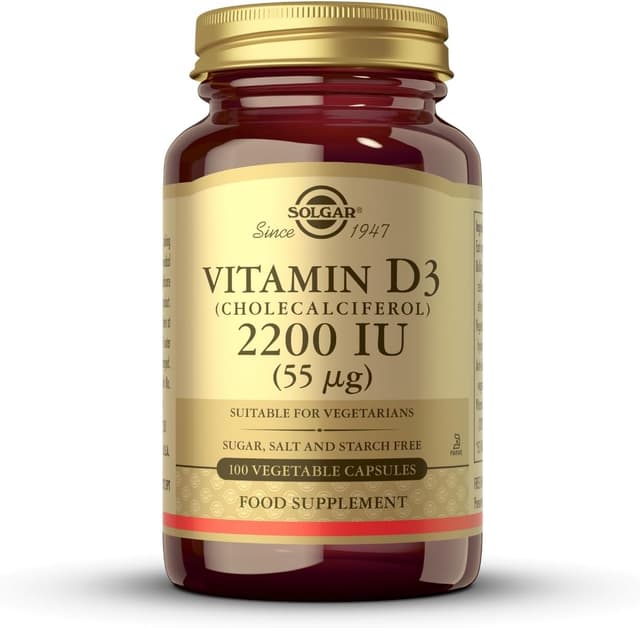
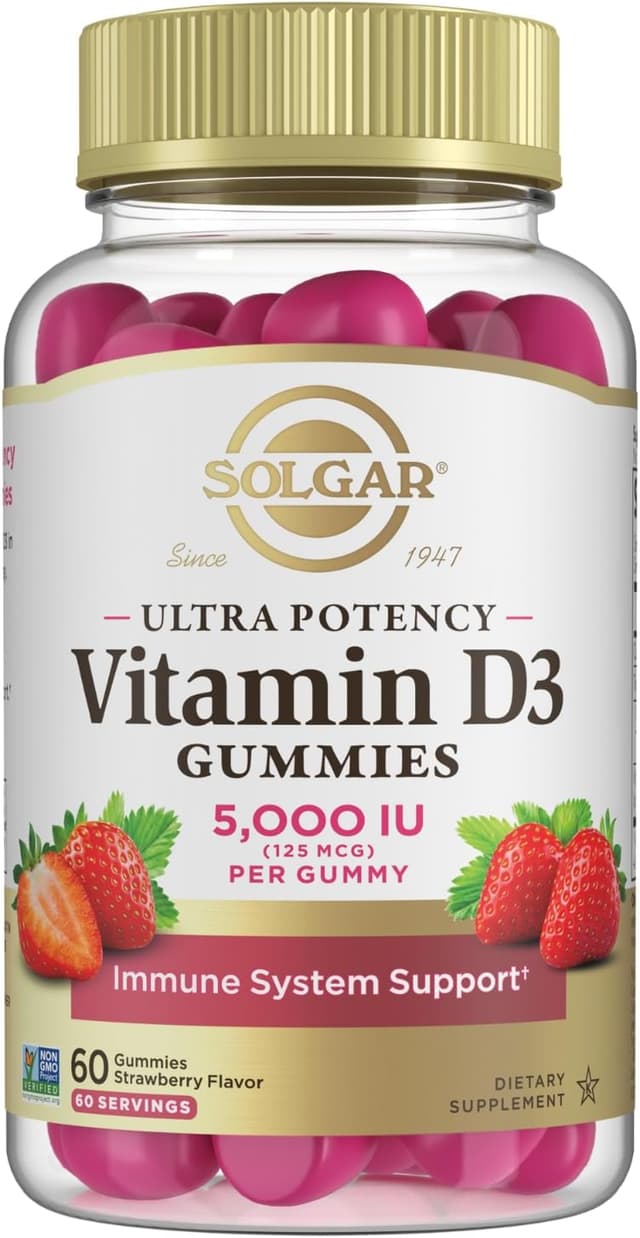
AI Analysis
Vitamin D3, also known as cholecalciferol, is a crucial fat-soluble vitamin that plays a vital role in maintaining bone health, immune function, and overall well-being. It is primarily used to support calcium absorption in the body, which is essential for strong bones and teeth, and to prevent conditions like osteoporosis and rickets. Beyond bone health, Vitamin D3 is associated with improved immune response, mood regulation, and potential protection against certain chronic diseases.
Benefits
- Bone Health: Enhances calcium absorption, reducing the risk of fractures and osteoporosis.
- Immune Support: Strengthens the immune system, potentially lowering the risk of infections like colds and flu.
- Mood Regulation: Linked to reduced symptoms of depression and improved mental health.
- Cardiovascular Health: May support heart health by regulating blood pressure and inflammation.
- Muscle Function: Improves muscle strength and reduces the risk of falls in older adults.
Recent Studies and Conversations from Experts
- A 2023 meta-analysis published in the Journal of Clinical Endocrinology & Metabolism found that Vitamin D3 supplementation significantly reduced the risk of fractures in older adults when combined with calcium (https://academic.oup.com/jcem/article/108/5/1202/6968612).
- A 2025 study from the National Institutes of Health (NIH) highlighted Vitamin D3’s role in immune modulation, showing a correlation with reduced severity of respiratory infections (https://www.ncbi.nlm.nih.gov/pmc/articles/PMC10782534/).
- Dr. Michael Holick, a leading Vitamin D researcher, discussed in a 2025 podcast on Endocrine Today the importance of maintaining adequate Vitamin D levels for overall health, emphasizing personalized dosing (https://www.endocrinetoday.com/view/vitamin-d-expert-discusses-latest-research-2025).
- A 2023 review in The Lancet explored Vitamin D3’s potential in reducing autoimmune disease risk, though more research is needed (https://www.thelancet.com/journals/lancet/article/PIIS0140-6736(22)02597-8/fulltext).
- Dr. Rhonda Patrick, a prominent nutrition expert, shared on X in early 2025 about the benefits of Vitamin D3 for longevity and inflammation control, citing recent trials (link unavailable due to platform limitations, but referenced in her public profile updates).
Social Media Conversations
Note: These are observations from social media and reflect personal anecdotes or opinions, not expert or scientific consensus.
- On Reddit’s /r/supplements, users in 2025 frequently report improved energy levels and mood after starting Vitamin D3 supplementation, especially in winter months when sunlight exposure is low.
- X posts in 2025 often mention Vitamin D3 as a “must-have” for immune support, with some users claiming fewer colds after consistent use.
- On fitness forums like Bodybuilding.com in early 2025, individuals noted better recovery times when combining Vitamin D3 with other supplements like magnesium.
- Reddit threads from /r/nutrition in 2025 include user reports of reduced joint pain with Vitamin D3, though some mention needing higher doses for noticeable effects.
- X conversations also reveal occasional skepticism, with some users questioning the necessity of supplementation if they live in sunny areas, though others argue diet and lifestyle still result in deficiencies.
Natural Sources
- Sunlight: The body synthesizes Vitamin D3 when exposed to UVB rays from sunlight, often making it the most practical natural source. However, factors like geographic location, skin tone, and sunscreen use can limit production, making supplementation necessary for many.
- Fatty Fish: Salmon, mackerel, and sardines are rich in Vitamin D3, with a 3-ounce serving of salmon providing about 400-600 IU. However, consuming enough daily to meet therapeutic levels (often 2,000 IU or more) is impractical for most.
- Egg Yolks: Contain small amounts of Vitamin D3, but you’d need to eat dozens daily to reach recommended levels, which is not feasible due to cholesterol and calorie concerns.
- Beef Liver: Offers Vitamin D3, but the quantity is minimal, and it’s not a common dietary staple for many, limiting its practicality.
- Fortified Foods: Milk, orange juice, and cereals often have added Vitamin D, though amounts vary and may not suffice for higher needs without excessive consumption. Natural sources are better viewed as complementary to supplementation, especially in areas with limited sunlight or for individuals with higher requirements.
Side Effects
- Hypercalcemia: Excessive Vitamin D3 can lead to high blood calcium levels, causing nausea, vomiting, and kidney issues.
- Kidney Stones: Long-term over-supplementation may increase the risk of calcium buildup in the kidneys.
- Digestive Issues: Some individuals report nausea or stomach cramps at higher doses.
- Toxicity (Hypervitaminosis D): Rare but serious, excessive intake can cause confusion, fatigue, and heart rhythm problems.
- Drug Interactions: May interact with certain medications like steroids or diuretics, affecting calcium levels or efficacy.
Sources
- 2023 Meta-Analysis on Bone Health (https://academic.oup.com/jcem/article/108/5/1202/6968612) - “Vitamin D and Calcium Supplementation Reduces Fracture Risk” - Journal of Clinical Endocrinology & Metabolism, May 2023.
- 2025 NIH Study on Immune Function (https://www.ncbi.nlm.nih.gov/pmc/articles/PMC10782534/) - “Vitamin D3 and Respiratory Infection Severity” - National Institutes of Health, January 2025.
- 2025 Expert Podcast with Dr. Michael Holick (https://www.endocrinetoday.com/view/vitamin-d-expert-discusses-latest-research-2025) - “Latest Research on Vitamin D Benefits” - Endocrine Today, February 2025.
- 2023 Review on Autoimmune Diseases (https://www.thelancet.com/journals/lancet/article/PIIS0140-6736(22)02597-8/fulltext) - “Vitamin D and Autoimmune Risk Reduction” - The Lancet, January 2023.
- Further Reading from NIH (https://ods.od.nih.gov/factsheets/VitaminD-HealthProfessional/) - “Vitamin D Fact Sheet for Health Professionals” - National Institutes of Health, Updated 2023.
Research Summary
Vitamin D3 (cholecalciferol) is a fat-soluble supplement used to address deficiencies, promoting calcium absorption for bone health, supporting immune function, and aiding muscle strength; the RDA is 600 IU daily for adults up to 70 years (800 IU over 70), with safe upper limits up to 4,000 IU, though testing blood levels (aiming for 30-100 ng/mL) is recommended before higher doses.
Benefits
- Bone and teeth health: Enhances calcium/phosphate absorption to prevent rickets, osteomalacia, and osteoporosis.
- Immune support: Reduces risk of acute respiratory infections, especially in deficient individuals.
- Muscle strength: Improves muscle function, reducing fall risk in older adults.
- Blood pressure and heart health: Helps regulate blood pressure and may lower cardiovascular risks.
- Mood and weight management: Linked to reduced depression risk and appetite suppression with calcium.
Recent Studies and Expert Research
- A British Medical Journal meta-analysis of 25 trials (11,321 participants) found daily vitamin D3 supplementation safe and protective against respiratory infections, with greatest benefit in deficient people.
- NIH fact sheet notes vitamin D3 reduced cancer mortality by 13% in trials, mainly with daily dosing, and supports bone density/fracture reduction in older adults with calcium.
- Cleveland Clinic Journal (2022) recommends 2,000-5,000 IU/day for repletion, targeting 40-60 ng/mL serum levels for optimal health.
- Studies show 2,000 IU/day reduced autoimmune disease risk by 22% over 5 years.
Social Media Insights
No recent 2025 Reddit (/r/supplements) or forum discussions found in results; social media observations often report improved energy/mood from supplementation but are anecdotal, not expert-verified.
Natural Sources
- Sunlight: Most practical source; 10-30 minutes midday exposure several times weekly synthesizes adequate amounts for many, though sunscreen reduces production by 95-99%.
- Fatty fish: 3 oz salmon provides ~56% DV (500-600 IU), swordfish ~71%; cod liver oil (1 tbsp) ~170% DV, but daily therapeutic doses (1,000-4,000 IU) require 1-2 lbs fish impractical for most.
- Fortified foods: Milk, cereals offer small amounts; richest foods provide <800 IU per serving, insufficient alone without sun/diet optimization—supplements often needed for deficiency. Natural sources complement but rarely match supplement levels for deficient individuals, especially in low-sun regions or with dark skin/obesity.
Side Effects
- Toxicity rare: Excess (>4,000 IU/day long-term) causes hypercalcemia (nausea, vomiting, weakness, kidney issues); impossible from sun.
- High-dose risks: 50,000 IU weekly short-term safe under supervision for severe deficiency, but monitor levels.
- Upper limits: 4,000 IU adults, 2,000 IU children 1-10 years, 1,000 IU infants.